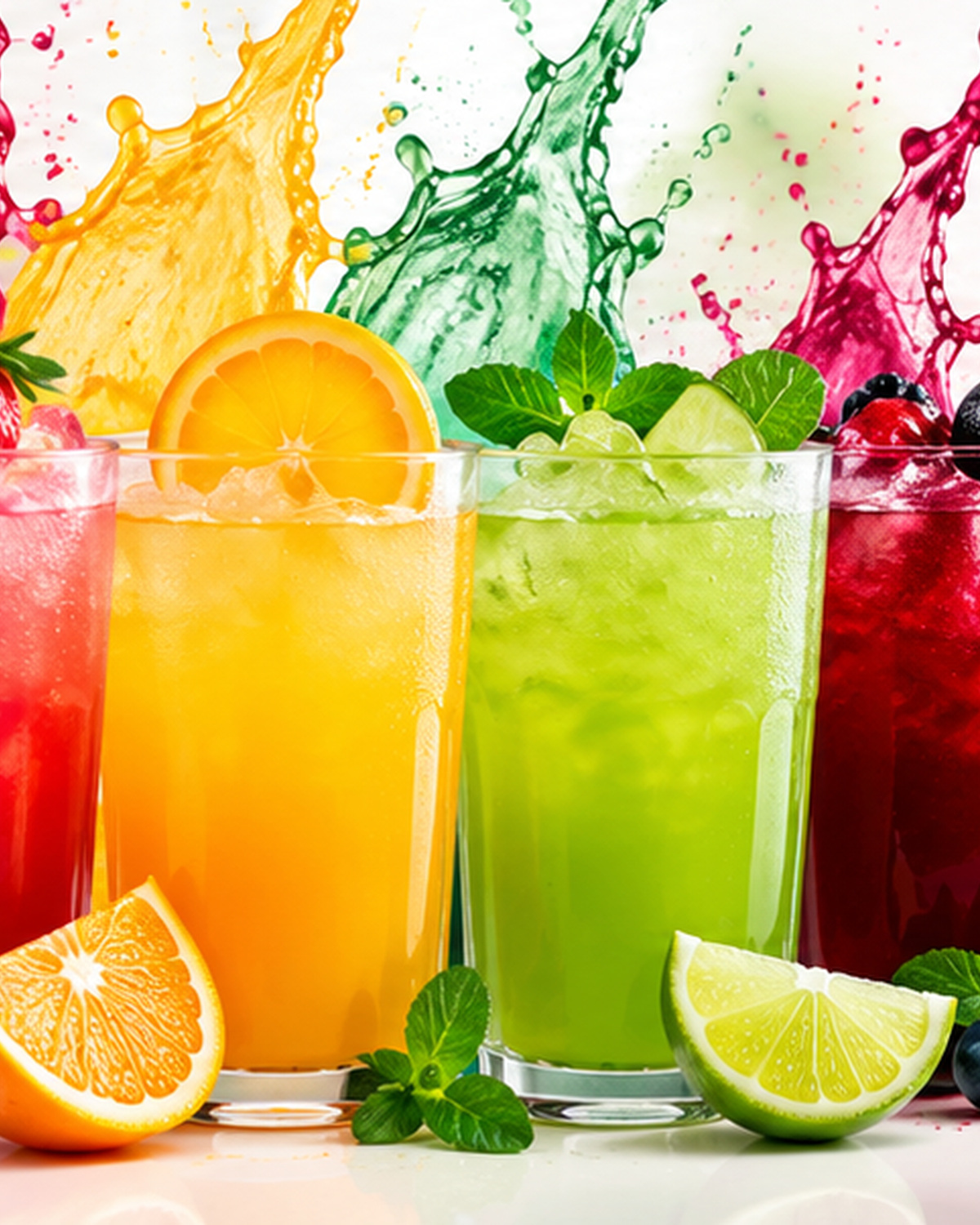
Beverages

Synthetic food colors and custom blended shades engineered for beverages, confectionery, dairy, prepared foods, pharmaceuticals and cosmetics.

Synthetic food colors for carbonated drinks, fruit beverages, powdered beverages, syrups and still drinks.
Narayan Manufacturing Corporation manufactures and supplies synthetic food colors for industrial customers in India and international markets, with a focus on shade consistency, technical compliance, application support and dependable B2B supply.
Color selection based on shade target, solubility and stability needs.
Start with your end application. Each sector has different processing, stability and shade requirements.
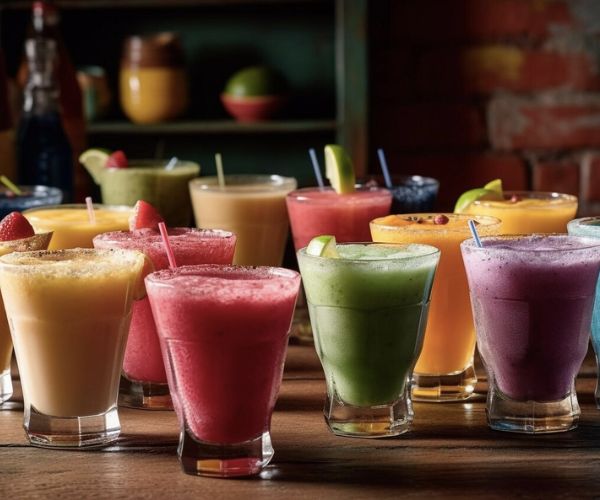
Synthetic food colors for carbonated drinks, fruit beverages, powdered beverages, syrups and still drinks.
Explore products →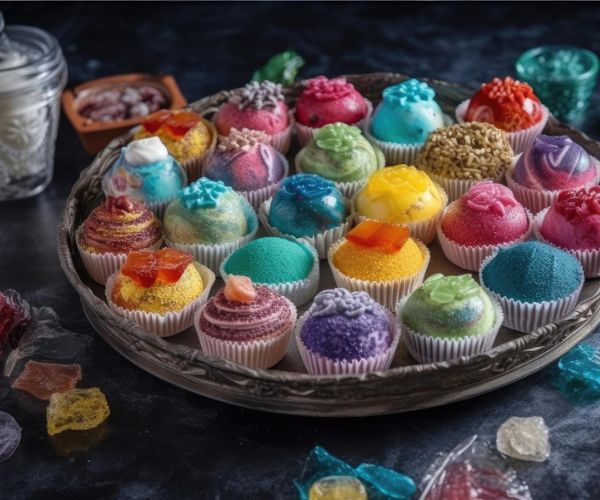
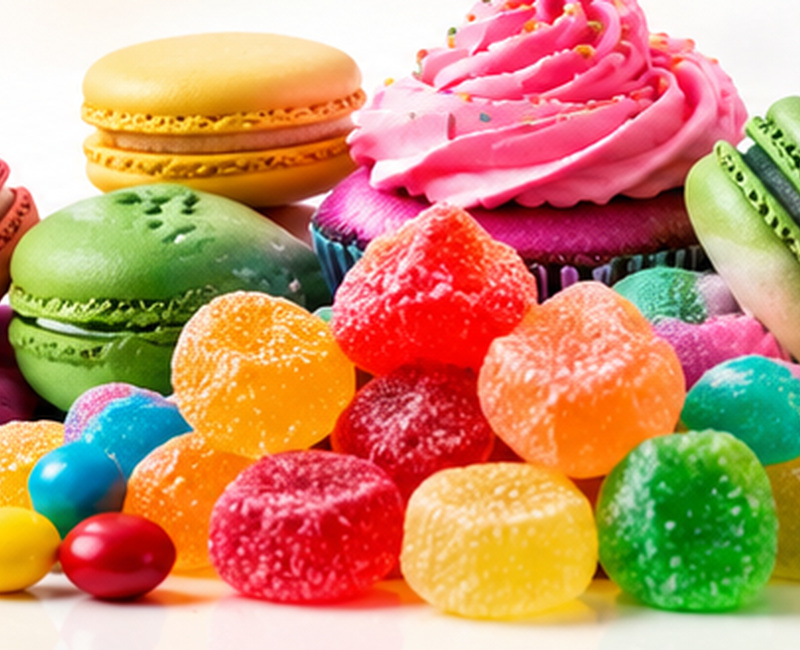
Food colors for candies, gummies, jellies, icing, bakery decorations, chocolate and compound coatings.
Explore products →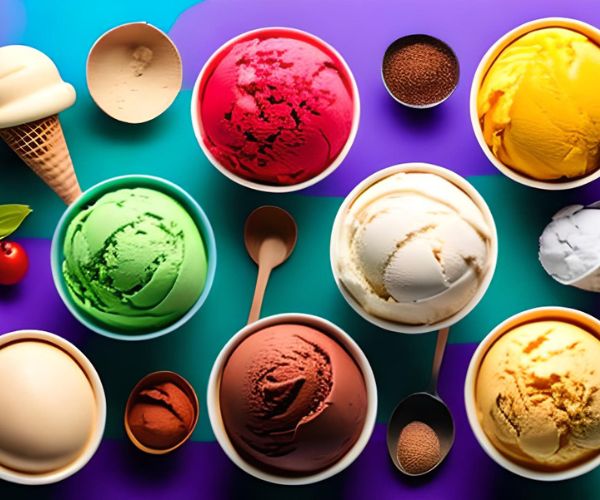
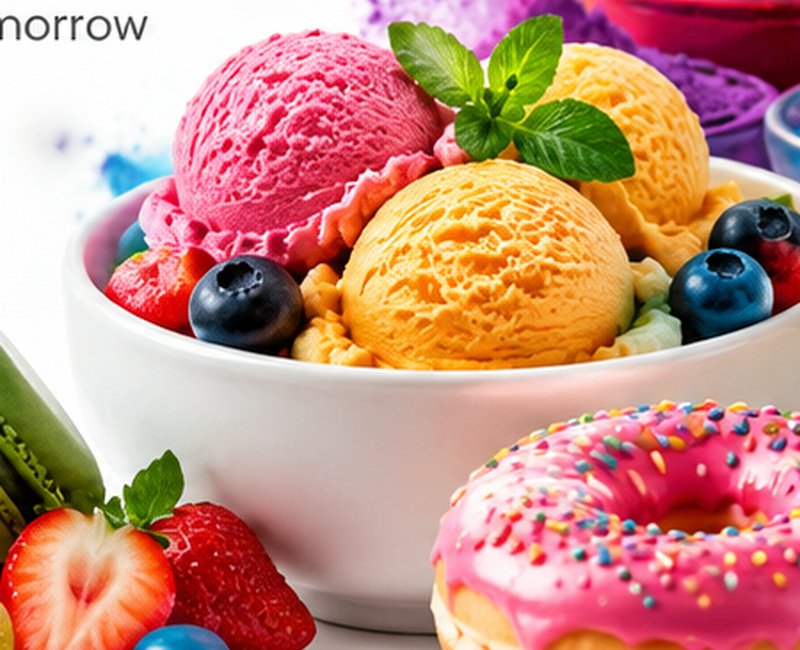
Reliable colors for ice cream, flavoured milk, yoghurt, dairy beverages, cheese and dessert products.
Explore products →Color solutions for snacks, seasonings, dry mixes, sauces, soups, noodles, cereals and processed foods.
Explore products →Consistent color options for tablets, syrups, powders, granules, ointments and gels.
Explore products →Application-focused synthetic color solutions for cosmetic and personal care formulations.
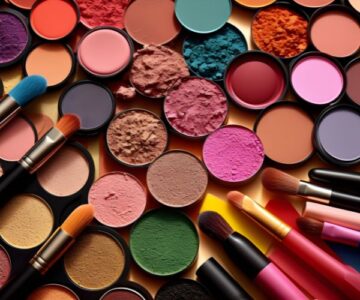
Explore products →Select a color to view its reference details and explore how NMC supports application-specific shade selection and custom blending.
Use the shade explorer to compare NMC's core synthetic food colors, then request a sample or discuss a custom blended shade for your product.
Share your target shade, end product and technical requirement. NMC can provide blended colors as per client shade and specification.
Explore useful information on color selection, application performance, quality standards and choosing the right solution for your product.
Shade, pH, heat exposure, processing conditions and storage can all influence color performance. Start with the application, not only the shade name.
Read article →A practical introduction to selecting colors by product type and desired appearance.
Read article →Key processing factors manufacturers should consider before finalizing a shade.
Read article →How custom blends can support brand consistency and application-specific requirements.
Read article →Find answers to common questions about this page and our solutions.
synthetic food colors are coloring solutions used to achieve consistent and attractive shades in suitable food, beverage and related product applications. Selection depends on the formulation, processing conditions and applicable regulatory requirements.
Yes. NMC Food Colors manufactures and supplies synthetic food colors for commercial and industrial applications, with solutions selected according to the customer's product, shade and technical requirements.
Yes. NMC serves B2B customers requiring commercial quantities of synthetic food colors. Buyers can share their application, required shade, quantity and destination for an appropriate supply proposal.
NMC serves domestic and international B2B enquiries for synthetic food colors. Export requirements can be discussed based on product specification, quantity, destination and applicable documentation.
Share the end application, desired shade, formulation details and processing requirements with NMC. The appropriate color solution depends on factors such as product composition, processing conditions and required performance.
Tell us your product, target shade and expected quantity. Our team can help you shortlist a suitable color solution.
